Dhanteras 2026: What to Buy and What Not to Buy
Confused about what to buy on Dhanteras 2026? Explore traditional purchases, items some families avoid, budget-friendly ideas and smart shopping tips.

Featured Master Editorial: Dhanteras 2026 what to buy and what not to buy complete festival shopping guide
In This Curated Guide
Dhanteras is one of the most popular days in India for making a new purchase. As Diwali approaches, markets fill with gold and silver jewellery, coins, kitchen utensils, decorative items, electronic appliances and festive essentials. Many families consider buying something new on this day a symbol of welcoming prosperity, good health and positive beginnings into the home.
But one question comes up every year: What should you buy on Dhanteras, and what should you avoid buying?
Some people prefer gold or silver, while others choose a small brass utensil, a new broom, a diya or even a useful household item. At the same time, traditional advice in some families suggests avoiding purchases such as iron objects, knives, scissors, black-coloured items and glassware. This can make shopping confusing, especially for people who want to follow family traditions without spending unnecessarily.
Dhanteras 2026 falls on Friday, 6 November 2026. This guide explains the meaning behind popular Dhanteras purchases, what you can buy according to your budget, which items some families traditionally avoid, and how to shop wisely. The aim is not to encourage unnecessary spending, but to help you make a thoughtful choice that suits your household. (If you are setting up your evening rituals at home, explore our complete Dhanteras 2026 Puja Samagri & Vidhi Guide, or create festive portraits with our trending guides for Diwali Couple AI Photo Prompts, Diwali Kids Photo Prompts, and Dhanteras AI Photo Prompts).
What Is Dhanteras and Why Do People Buy New Things?
Dhanteras is also known as Dhantrayodashi. It is observed on the thirteenth lunar day of Krishna Paksha in the Hindu month of Kartik and marks the beginning of Diwali celebrations for many households. The word Dhanteras is commonly understood through two ideas: Dhan, meaning wealth, and Teras, referring to the thirteenth lunar day. The festival is associated with Goddess Lakshmi, who represents wealth and prosperity, and Lord Dhanvantari, who is connected with Ayurveda and health. That connection is important. Dhanteras is not only about buying expensive jewellery. Its traditional meaning also brings attention to health, cleanliness, household well-being and the responsible use of wealth. Buying something new is a popular custom because it symbolises welcoming prosperity into the home. Gold and silver are well-known choices, but they are not compulsory purchases. A family may choose a new utensil, a diya, puja supplies or another useful item instead. There is no need to compare your purchase with what someone else buys. A meaningful purchase made within your budget is better than spending money you cannot comfortably afford.
What to Buy on Dhanteras 2026
The following items are commonly associated with Dhanteras shopping. Their significance may vary between regions and families, so follow the customs that are meaningful in your household:
1. Gold Jewellery or Gold Coins
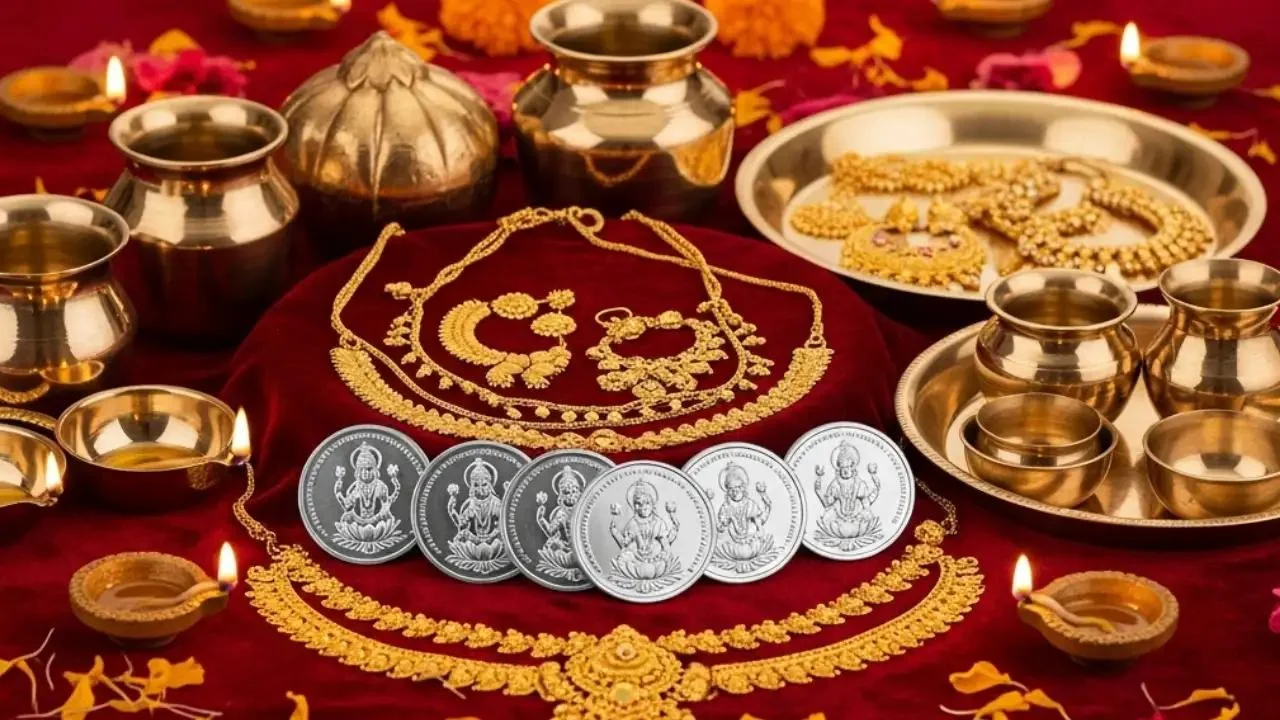
Gold is among the most recognised Dhanteras purchases. Many families buy a small gold coin, a ring, earrings, a chain or another piece of jewellery because gold is traditionally associated with wealth, stability and prosperity. You do not have to purchase a large ornament. If gold is part of your family's tradition, choose an item that fits your actual budget. Before buying gold, check the following essentials:
- Hallmark: Look for the applicable BIS hallmark and verify the 6-digit HUID where relevant using the official BIS Care app.
- Purity: Understand whether the item is 24K (purest, ideal for coins/bars), 22K (standard for jewellery), 18K or another purity grade.
- Net weight: Ask the jeweller to clearly show the net gold weight, excluding precious stones, lacquer, and other materials.
- Making charges: Compare making charges between sellers. A festive discount banner does not automatically mean the final price is lower.
- GST and final bill: Always ask for an itemised invoice showing the product details, metal rates, making charges, and 3% GST.
- Buyback or exchange policy: Read the written terms before purchasing, particularly regarding deduction policies if you exchange the jewellery later.
2. Silver Coins, Diyas and Silver Utensils
Silver is another popular choice for Dhanteras. Some families prefer silver because a small coin or puja item may fit a more modest budget than gold jewellery. Popular options include silver coins, silver diyas, small silver bowls, puja accessories, and silver idols or decorative items. If you are buying a silver coin, ask about its purity and exact weight. Check whether the price includes an unreasonable premium for design, packaging or branding, and keep the invoice safely. For silver jewellery or utensils, do not assume every shiny item is solid silver—verify whether it is solid silver or merely silver-plated.
📷 Gold and silver coins displayed alongside traditional brass utensils for Dhanteras celebrations
Utensils, Brooms & Auspicious Household Essentials
Beyond precious metals, Dhanteras is deeply rooted in household utility, domestic cleanliness, and symbolic agricultural prosperity:
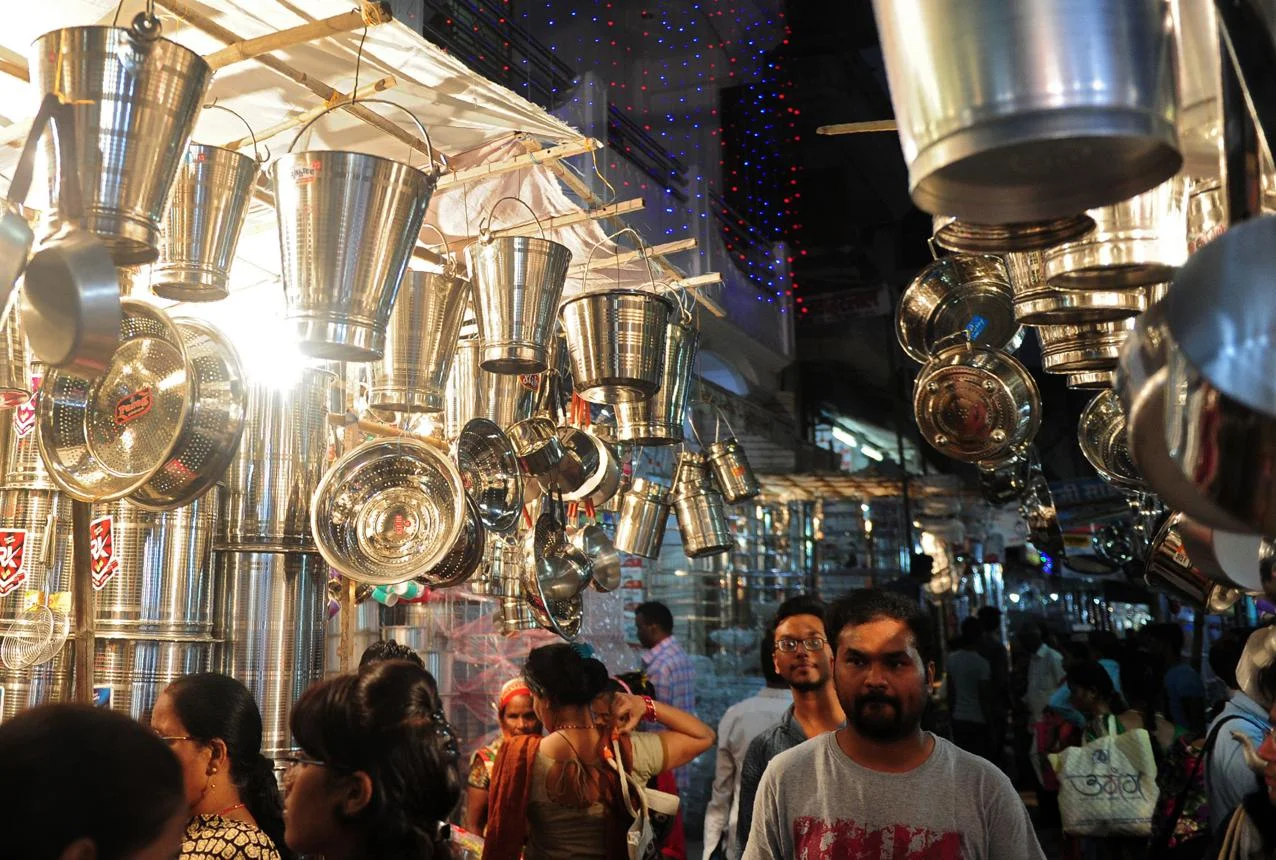
3. Brass, Copper and Stainless-Steel Utensils
Buying new utensils is a familiar Dhanteras tradition in many Indian homes. It is also one of the most practical options because the item can be used regularly after the festival. You may consider a brass plate or bowl, a copper lota or kalash, a steel thali set, a cooking pot, or kitchen storage containers. Brass and copper are traditionally valued in many households, while stainless steel is a practical everyday choice. Confirm whether the utensil is solid metal, coated or plated. Check its thickness (gauge), weight and suitability for food use. For copper vessels, follow the manufacturer's cleaning and usage guidance rather than assuming every copper item is suitable for every food or drink. A useful tip: If you buy a new vessel as part of your Dhanteras custom, some families prefer to bring it home filled with rice, wheat, water or sweets rather than leaving it empty. This is a symbolic household practice, not a compulsory rule.
4. A New Broom (Jhadu)
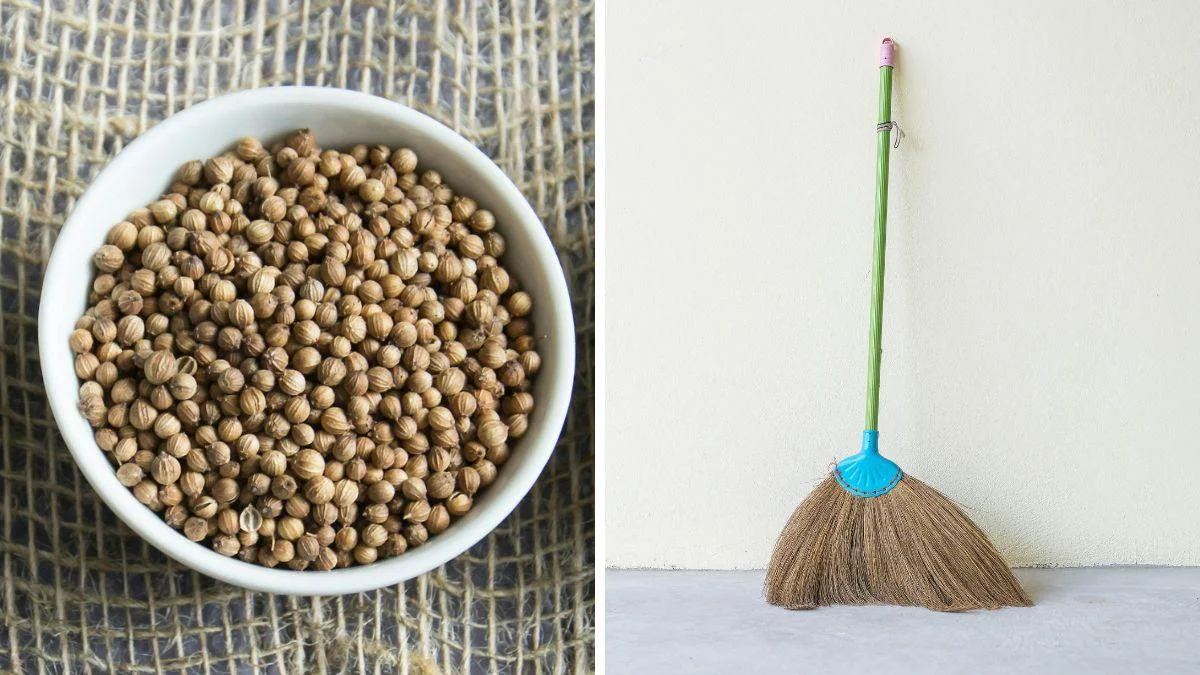
A new broom may seem like an unusual festive purchase, but it is part of Dhanteras customs in many households, particularly in parts of North India. The broom is associated symbolically with cleanliness and removing dirt and poverty (Daridra) from the home. Since a clean and well-maintained home is considered important during Diwali, some families connect buying a new broom with preparing the household to welcome Goddess Lakshmi. You can choose a broom that is suitable for your home, whether it is made from traditional grass, natural fibres or another practical material. There is no need to buy an expensive decorative broom. Choose one that works well and store it cleanly.
5. Whole Coriander Seeds (Sabut Dhaniya)
In some regional traditions, whole coriander seeds are purchased or used during Dhanteras rituals. They are associated symbolically with growth, fertility, and abundance. If your family follows this custom, you can buy a small quantity of clean, good-quality whole coriander seeds from a trusted grocery shop. Some households use them during puja, while others keep or sow a portion according to their practice. This is an affordable option for people who want to follow a traditional custom without buying jewellery or expensive household goods. Remember that this is a cultural practice—there is no need to treat coriander seeds as a magical guarantee to alter financial circumstances.
📷 Festive Dhanteras essentials: natural grass broom, clay diya, and whole coriander seeds
Puja Preparation, Electronics & Health Essentials
Modern households blend ancient spiritual preparations with planned domestic technology upgrades:
6. Diyas, Puja Items and Lakshmi-Ganesh Idols
Dhanteras is a good time for families to prepare for the upcoming Diwali puja. Common choices include clay diyas, cotton wicks, puja thali, kalash, incense holders, fresh flowers, Lakshmi-Ganesh idols, and rangoli colours. When selecting idols, consider the size of your puja space and the materials used. Choose a stable, well-finished item that can be placed safely. You do not need to replace existing idols simply because a festival is approaching. For diyas, check that they have a stable base and place them safely away from curtains, paper decorations and other flammable materials. Keep children and pets away from open flames.
7. Electronics and Useful Household Appliances
Many people use Dhanteras as an occasion to buy something they already need, such as a mobile phone, refrigerator, washing machine, television, mixer grinder or other appliance. These purchases are not the same as the older metal-buying customs, but modern families often choose the festival season for planned household upgrades. If you are buying an electronic item, do not let a festive offer rush your decision. Compare the final price across authorised sellers and check:
- Exact model number and technical specifications
- Official manufacturer warranty and service terms
- Return and replacement conditions
- Installation charges and accessories included
- BEE Energy star rating for large appliances
- Delivery availability and local service center network
- Whether the discount is based on a realistic previous price rather than an inflated MRP
8. Health and Wellness Essentials
The association of Dhanteras with Lord Dhanvantari also reminds many people of the importance of health. Some households use the occasion to purchase useful health-related or wellness essentials, such as a home first-aid box, a water purifier, a blood pressure or glucose monitor, or healthy organic kitchen staples. Choose products from reliable manufacturers and check instructions, warranty and safety information. Do not purchase medicines, supplements or medical devices based only on a festival promotion or promises of miraculous benefits.
What Not to Buy on Dhanteras 2026?
There are several traditional beliefs about items that some families prefer not to purchase on Dhanteras. It is important to understand that these customs are not followed uniformly across India. A belief observed in one household or region may not be treated as a rule in another. If your family follows these traditions, you may choose to respect them. If you do not follow them, do not assume that purchasing one of these items automatically brings bad luck:
1. Sharp Objects Such as Knives and Scissors
Some families avoid buying knives, scissors, blades and other sharp objects on Dhanteras. The traditional explanation is symbolic: sharp objects are associated with cutting or separation, which some people do not want to connect with a day meant to welcome harmony and prosperity. This is a customary belief, not a universal religious prohibition.
2. Iron Items
Certain traditions advise avoiding iron purchases on Dhanteras. Some explanations connect iron with Shani Dev, while other households simply follow the custom because it has been observed by elders in their family. This belief does not mean iron is inherently harmful. If you are following family tradition, you can postpone a non-urgent iron purchase; otherwise, make a practical decision based on your needs.
3. Black-Coloured Items
Some families prefer not to buy black-coloured clothes, decorative products or household goods on Dhanteras because black is considered inauspicious in particular festive customs. However, colour preferences vary widely by region and tradition. Black is not universally considered unlucky in every Hindu household or on every occasion.
4. Glassware and Fragile Items
In some popular Dhanteras shopping lists, glass products are included among items to avoid. The belief is symbolic and connected with fragility, sudden breakage, or astrological associations. If you need a glass product, consider whether the purchase is necessary and whether you can handle and transport it safely.
5. Empty Utensils
Some families prefer not to bring a newly purchased vessel into the home empty. They fill it with rice, grains, water or sweets as a symbolic gesture of abundance. If this is part of your household custom, it is easy to follow. If not, remember that the symbolism is a matter of tradition, not a condition for prosperity.
6. Unnecessary Purchases Made on Credit
This is one point where traditional caution and practical financial sense meet. Some households prefer not to borrow or lend money on Dhanteras. Regardless of the religious explanation, taking on high-interest debt or heavy EMIs for an unnecessary festive purchase creates financial pressure long after Diwali. If you cannot comfortably afford the purchase, postponing it is the most sensible decision.
7. Broken, Damaged or Unusable Items
Some popular customs discourage bringing broken or damaged objects into the home during auspicious celebrations. From a practical point of view, there is also little reason to spend money on a product that is already damaged or does not work properly. Inspect items before leaving the shop, and record the unboxing of high-value online products.
📷 Items traditionally avoided during Dhanteras shopping by certain households
How to Shop Smartly on Dhanteras
Festival shopping can become rushed because markets are crowded and promotional offers create urgency. A little preparation can help you avoid mistakes:
Make a Shopping List Before Visiting the Market
Write down what you actually need. Separate traditional purchases from everyday household requirements. For example, you may want one diya for the festival and a new cooking pot for everyday use. This makes it easier to avoid buying several similar products unnecessarily.
Compare Prices Before Paying
For gold and silver, compare the final price, purity, weight and making charges across jewelers. For appliances, compare the exact model number rather than two products that look similar but have different specifications.
Ask for a Proper Invoice
Keep the bill for jewellery, utensils, electronics and other significant purchases. An invoice helps you verify what you bought and is essential if you need warranty service, an exchange or need to file a consumer complaint.
Be Careful With Online Festival Offers
Check the seller's identity, verified customer reviews, delivery timelines and return policies. Be cautious of unusually large discounts, unknown payment links and messages asking you to share OTPs or banking credentials. ⚠️ Never share your UPI PIN or OTP with a seller or caller to receive a festival discount or cashback refund.
Do Not Spend Your Emergency Savings
A festival purchase should not create a financial problem for the next month. Avoid using money reserved for rent, education, medical needs or essential household bills. You can celebrate Dhanteras meaningfully without making a major purchase.
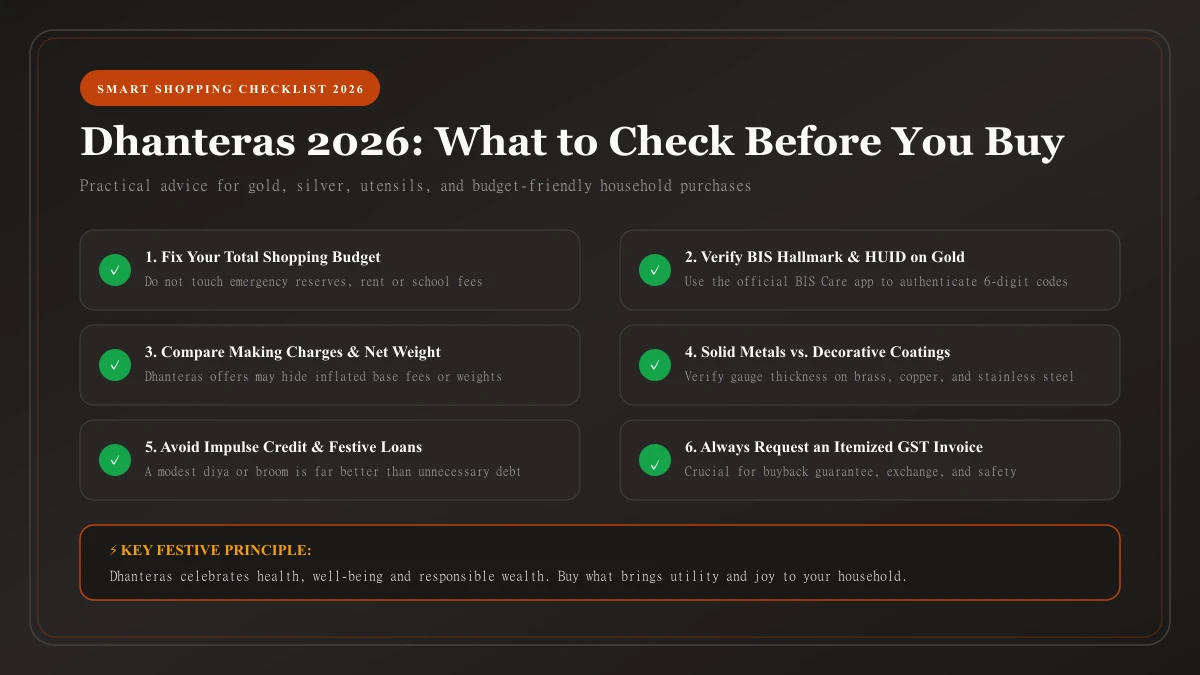
📷 Smart Dhanteras shopping checklist: verified metals, budget limits, and itemized billing
Dhanteras Shopping Ideas According to Your Budget
You do not need a large shopping budget to observe Dhanteras. The best purchase is one that fits your finances and has a purpose:
| Budget or Preference | What You Can Consider | Symbolic Meaning & Household Value |
|---|---|---|
| Very small budget | Clay diya, cotton wicks, coriander seeds or a useful household essential | Symbol of light, positivity, spiritual purity and abundance |
| Affordable festive purchase | A new broom, small steel utensil or puja thali | Cleanliness, household utility, and welcoming Goddess Lakshmi |
| Moderate budget | Brass or copper utensil, silver-plated decorative item or a small silver purchase | Purity, long-term health benefits, and traditional durability |
| Higher budget | Hallmarked gold or silver jewellery, coin or a planned household appliance | Financial stability, enduring family value, or planned domestic upgrade |
| No shopping planned | Clean the home, light a diya safely, prepare for puja or help someone in need | True spirit of Dhantrayodashi, health, and community well-being |
A Simple Dhanteras Shopping Checklist for 2026
Use this 10-point checklist before heading to the market on Friday, 6 November 2026:
Frequently Asked Questions
What should I buy on Dhanteras 2026?
Gold, silver coins, jewellery, brass or copper utensils, steel vessels, diyas, puja items, a new broom and whole coriander seeds are among the purchases associated with Dhanteras traditions. Choose according to your budget and family customs.
Is it compulsory to buy gold on Dhanteras?
No. Buying gold is a popular tradition, but it is not compulsory. You can choose silver, a utensil, a diya, puja supplies or another useful household item. You do not need to spend beyond your means.
Can I buy a broom on Dhanteras?
Yes. A new broom is a traditional purchase in many households. It is symbolically connected with cleanliness and preparing the home for prosperity.
Can I buy a mobile phone or a new electronic item on Dhanteras?
Many families buy phones, televisions, refrigerators and other appliances during the Dhanteras period. Compare prices, check the warranty and make sure the purchase fits your budget.
Which things are traditionally avoided on Dhanteras?
Some families avoid buying iron items, sharp objects such as knives and scissors, black-coloured products, glassware and empty utensils. These are regional or household customs, not universal rules followed by everyone.
Is it bad luck to buy iron on Dhanteras?
Some traditions advise against it, but this is not a universal rule. If your family follows the custom, you can postpone a non-urgent purchase. Otherwise, make a practical decision based on your needs.
Can I buy utensils instead of gold?
Yes. Buying new utensils is a well-known Dhanteras custom. Brass, copper and stainless-steel items can be practical alternatives to expensive jewellery.
What is the cheapest thing to buy on Dhanteras?
A clay diya, cotton wicks, whole coriander seeds, a small household item or a new broom can be an affordable choice. There is no minimum amount that you must spend.
Can I buy something online on Dhanteras?
Yes. You can shop online if the seller is trustworthy and the product details are clear. Check the final price, delivery date, return policy, warranty and invoice before placing an order.
When is Dhanteras in 2026?
Dhanteras will be observed on Friday, 6 November 2026. Local puja timings can vary, so check a reliable Panchang for your city if you plan to perform rituals at a particular time.
Final Thoughts
Dhanteras is traditionally associated with wealth, health and new beginnings, but its meaning should not be reduced to how much money someone spends in a market.
Gold and silver may be meaningful purchases for one family. For another, a brass utensil, a diya, a new broom or a useful household appliance may be the better choice. Some households also follow customs about avoiding iron, sharp objects, black-coloured items or glassware. These beliefs deserve to be described respectfully, while recognising that practices differ across regions and families.
The most sensible approach is to plan your budget, understand what you are buying, check product quality and avoid unnecessary debt. If you choose to follow a traditional shopping custom, do so in a way that feels comfortable for your household.
Wishing you and your family a happy, peaceful and prosperous Dhanteras 2026!
Written by Harish Kumar
Harish Kumar has analyzed thousands of generative prompts across Google Gemini, Bing Image Creator, and Nano Banana, specializing in Indian traditional festivals, face consistency, and photorealistic portraiture.
Reader Discussion & Output Feedback
0 CommentsNo comments yet. Be the first to share your prompt output results!